Love Yourself First: Why Self-Care is the Best Valentine You'll Ever Get

Valentine's Day. Just saying it out loud can spark a whole range of emotions, excitement, stress, loneliness, anxiety, or maybe just a giant eye roll. Whether you're partnered up, single, or somewhere in between, the pressure around February 14th is real.
But here's a thought: what if this year, instead of stressing about romantic dinners or perfect gifts, you made yourself the Valentine? Not in a cheesy, bubble-bath-and-chocolate kind of way (though no judgment if that's your thing). We're talking about real, meaningful self-care, the kind that actually supports your mental health and reminds you that you're worth showing up for.
Because honestly? Self-care is the best Valentine you'll ever get. And no, that's not just a cute saying. It's the truth.
Why Self-Care Isn't Selfish (It's Survival)
Let's clear something up right away: self-care is not selfish. It's not indulgent. It's not something you do when you have "extra time" (spoiler: you'll never have extra time).
Self-care is what keeps you functioning. It's how you manage stress, cope with anxiety, and avoid burning out completely. Think of it like charging your phone, you can't expect it to keep working if you never plug it in.
When you prioritize taking care of yourself, you're actively protecting your mental health. You're reducing stress, improving your mood, and building resilience so life's curveballs don't knock you flat. And if you struggle with anxiety or overwhelming stress, self-care isn't just nice to have. It's essential.

The Mental Health Benefits Are Real
Self-care does way more than just make you "feel better" in the moment. It creates actual, tangible changes in how your brain and body handle stress.
It lowers anxiety. When you practice self-care regularly, whether that's through exercise, journaling, meditation, or therapy, you're teaching your nervous system that it's okay to relax. You're giving your brain permission to stop being on high alert all the time.
It improves your mood. Doing things that bring you joy, connection, or peace boosts your overall sense of well-being. It's not about toxic positivity or pretending everything's fine. It's about giving yourself moments of lightness, even when things are hard.
It builds resilience. Life doesn't stop throwing challenges your way, but self-care helps you handle them better. You're less likely to spiral when something goes wrong because you've been taking care of your foundation all along.
It prevents burnout. Burnout isn't just about working too much. It's about giving and giving and giving without refilling your own tank. Self-care is how you refill.
What Self-Care Actually Looks Like
Okay, so self-care sounds great in theory. But what does it actually look like in real life? Because let's be honest, most of us aren't living in a spa commercial.
The truth is, self-care looks different for everyone. It's not one-size-fits-all, and it doesn't have to be fancy or expensive. Here are a few examples:
Physical self-care: Moving your body in a way that feels good (walking, stretching, dancing in your kitchen). Eating meals that nourish you. Getting enough sleep (or at least trying to).
Emotional self-care: Letting yourself feel your feelings without judgment. Crying when you need to. Laughing when something's funny. Journaling to get the thoughts out of your head. Talking to a therapist when you need support.
Social self-care: Spending time with people who make you feel safe and seen. Setting boundaries with people who drain you. Asking for help when you need it.
Mental self-care: Taking breaks from social media. Reading something you enjoy. Learning something new just because. Giving your brain permission to rest.
Spiritual self-care: This doesn't have to be religious. It's about whatever connects you to something bigger, nature, gratitude, meditation, prayer, or just sitting quietly with your coffee and noticing the moment.
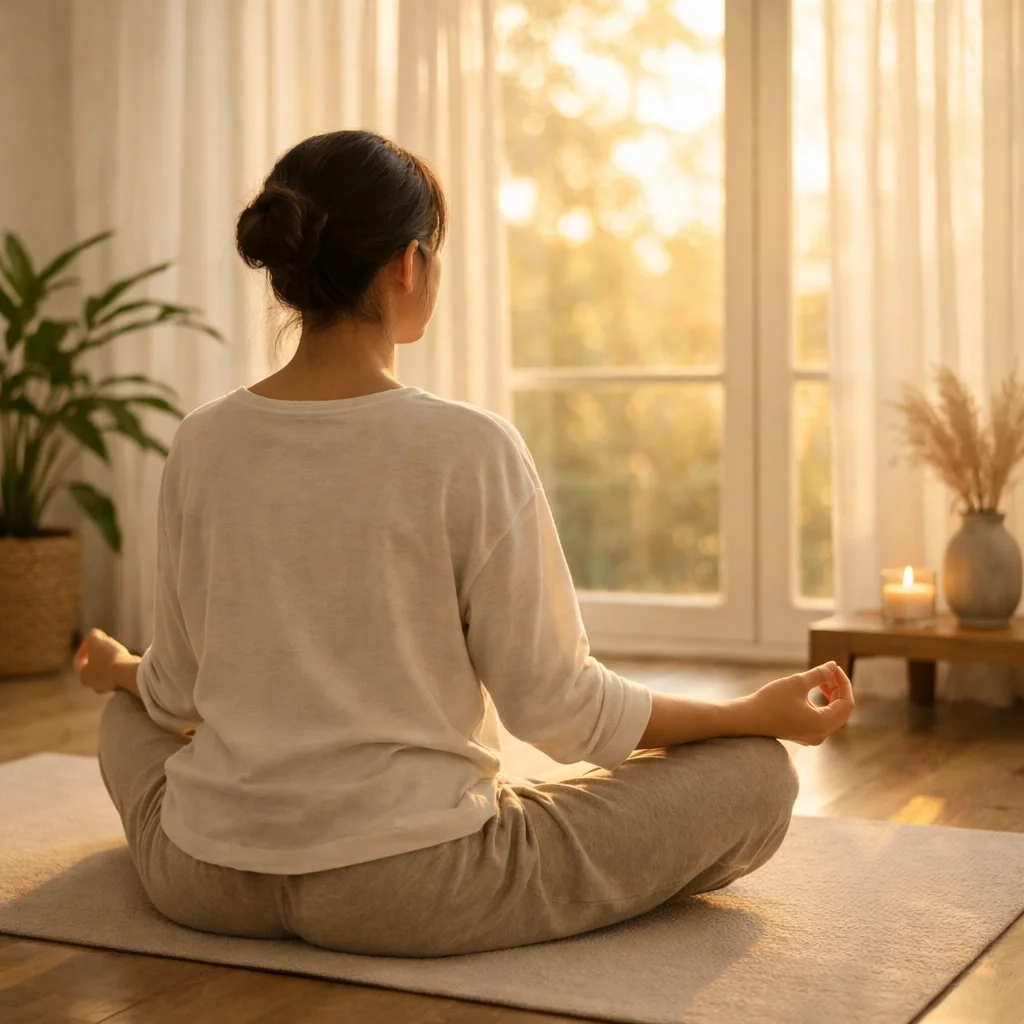
Self-Care and Anxiety: Why Therapy Helps
If you struggle with anxiety, you already know how exhausting it can be. The racing thoughts. The constant "what ifs." The feeling like your body is always braced for something bad to happen.
Self-care helps, but sometimes you need more than bubble baths and deep breathing. That's where anxiety therapy comes in.
Therapy gives you a safe space to understand why your anxiety shows up the way it does. It helps you identify triggers, challenge unhelpful thought patterns, and develop coping strategies that actually work for you. It's not about "fixing" you, because you're not broken. It's about giving you tools to manage the anxiety so it doesn't run your life.
At In Your Corner Behavioral Health and Wellness, we offer therapy that's trauma-informed, judgment-free, and designed to meet you where you are. Whether you're dealing with generalized anxiety, panic attacks, or stress that just won't quit, we're here to help you figure it out.
Stress Management Therapy: Because Life Is a Lot
Even if you don't have a diagnosed anxiety disorder, stress is probably part of your daily life. Work deadlines. Family dynamics. Money worries. Health concerns. The constant mental load of just existing in the world right now.
Stress management therapy helps you build a toolkit for handling all of it without falling apart. You'll learn how to:
Recognize when stress is building before it becomes overwhelming
Set boundaries that protect your energy
Practice mindfulness and grounding techniques
Break patterns that keep you stuck in stress cycles
Find balance (even when life feels anything but balanced)
And here's the thing: going to therapy is self-care. It's you saying, "I matter enough to get support." That's huge.

Peer Support: You're Not Alone
Sometimes the most powerful form of self-care is realizing you're not the only one struggling. That's where peer support comes in.
Peer support connects you with people who get it, because they've been there too. It's not therapy, but it's a space where you can share, listen, and feel less alone. There's something incredibly healing about sitting in a room (or a Zoom call) with people who understand without you having to explain every detail.
At In Your Corner, we believe in the power of community. Mental health isn't something you have to figure out by yourself. Sometimes the best Valentine you can give yourself is showing up and letting others show up for you too.
This Valentine's Day, Choose You
So here's your challenge this Valentine's Day: choose yourself.
Not in a dramatic, burn-it-all-down kind of way. Just in small, intentional ways that say, "I'm worth caring for."
Maybe that means:
Scheduling a therapy session you've been putting off
Saying no to plans that drain you
Taking a walk without your phone
Asking for help with something you've been carrying alone
Letting yourself rest without guilt
Reaching out to connect with peer support
Whatever it looks like for you, do it. Because self-care isn't about being perfect. It's about being present with yourself: the good, the messy, and everything in between.
You deserve that. Not just on Valentine's Day, but every day.
Ready to Start?
If you're ready to prioritize your mental health and make self-care more than just a buzzword, we'd love to support you. Whether you're looking for anxiety therapy, stress management therapy, or peer support, In Your Corner Behavioral Health and Wellness is here.
You don't have to do this alone. And you don't have to wait for the "perfect" time to start. Today is good enough. You are good enough.
Let's make this Valentine's Day about the most important relationship you'll ever have: the one with yourself.
Visit us at inyourcornerz.com to learn more about our services and schedule your first appointment. You've got this. And we've got you.