Telehealth Therapy 101: A Beginner’s Guide to Getting Help from Your Couch
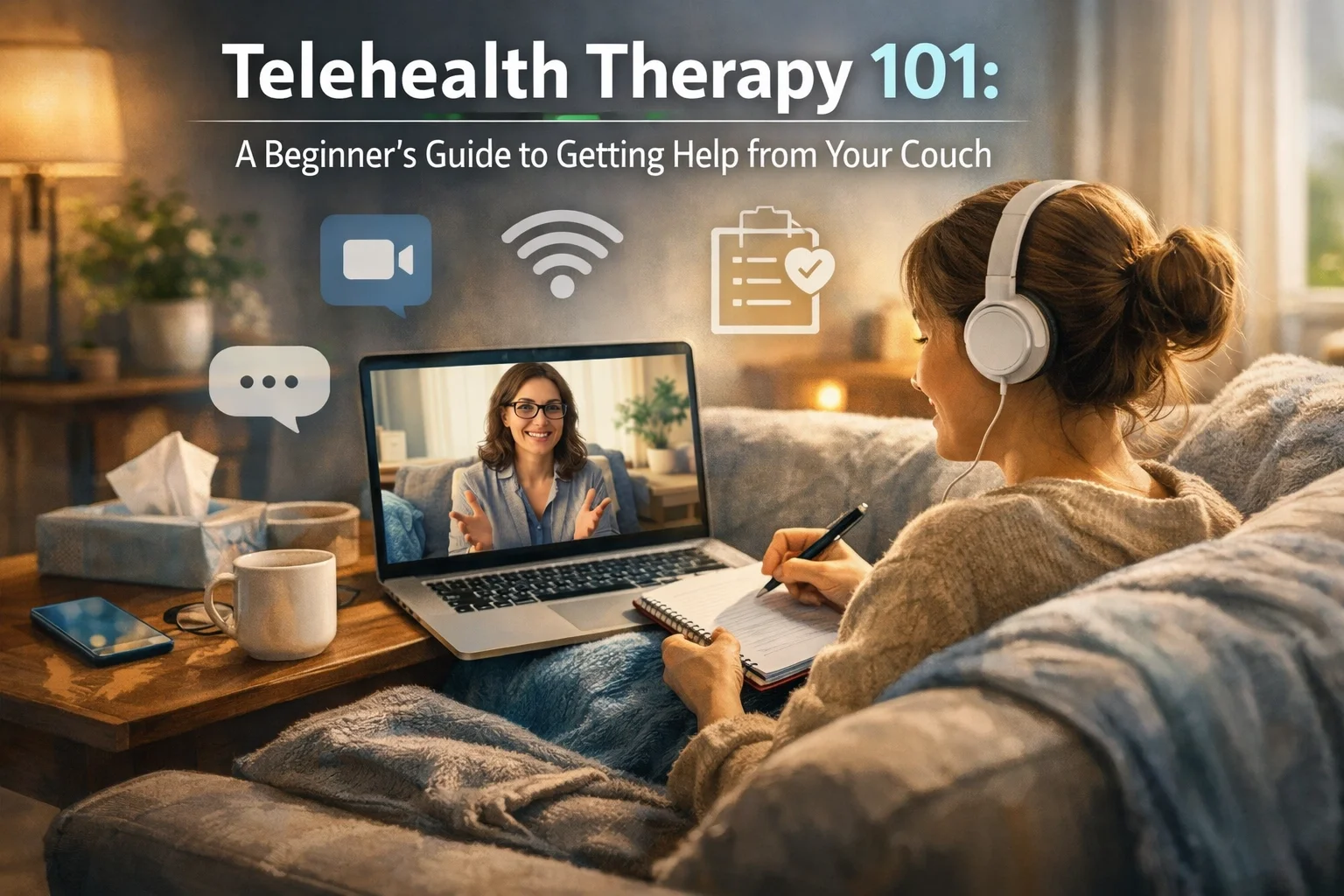
Life moves fast. Between work, family, and trying to maintain some semblance of a social life, finding an extra two hours in your week to drive across town, sit in a waiting room, and have a therapy session can feel impossible. For a lot of people, the logistical stress of getting to therapy is enough to make them skip it altogether.
But what if the help you needed was as close as your living room sofa?
Telehealth therapy has completely changed the game for mental health care. At In Your Corner Behavioral Health and Wellness, we believe that getting support shouldn't be a chore. Whether you’re dealing with anxiety, navigating a major life change, or just need someone to talk to, telehealth makes it easier than ever to prioritize your well-being.
If you’ve been curious about starting but aren't sure how it works, this guide is for you. Let’s break down everything you need to know about getting help from your couch.
What Exactly is Telehealth Therapy?
In simple terms, telehealth therapy (also called online therapy or teletherapy) is mental health counseling delivered through technology. Instead of meeting your therapist in a physical office, you connect via a secure video platform, a phone call, or even through messaging apps.
It’s the same professional, licensed care you’d receive in person, just delivered through your laptop, tablet, or smartphone. While it might sound high-tech, the goal is actually very low-tech: to make human connection and professional support accessible to everyone, regardless of where they are.

The Big Benefits: Why People Are Making the Switch
There’s a reason why so many people are searching for "therapy near me" and choosing the digital option. It’s not just a temporary fix; for many, it’s a better way to do therapy.
1. The Ultimate Convenience
The most obvious benefit is the time you save. There is no commute, no traffic, and no circling the block looking for parking. You can schedule your session during a lunch break, right after the kids go to bed, or even while you’re traveling for work.
If you live in a rural area or a place where specialized providers are scarce, telehealth removes the geographical barriers. You aren't limited to the three therapists in your immediate town; you can connect with the best provider for your specific needs, even if they’re hundreds of miles away.
2. Privacy and Comfort
For some, walking into a mental health clinic can feel intimidating. There’s a specific kind of "waiting room anxiety" that many people experience. With telehealth, that’s gone. You are in your own space. You can have your favorite blanket, a cup of tea, or even your pet sitting next to you.
Being in a familiar environment often helps people open up faster. When you feel safe and comfortable in your own home, it’s easier to tackle the tough stuff. Plus, there’s no chance of bumping into your neighbor or a coworker in the lobby.
3. Consistency
It’s much harder to cancel an appointment when you don’t have to leave the house. If you have a mild cold, if the weather is terrible, or if your car won't start, your therapy session can still happen. Consistency is one of the biggest factors in seeing progress in therapy, and telehealth makes it much easier to stay on track.

Does It Actually Work? (Spoiler: Yes)
One of the most common questions beginners have is: "Is it as good as being in the same room?"
The short answer is yes. Research consistently shows that telehealth therapy is just as effective as traditional in-person sessions for a wide range of concerns. In fact, studies have shown that about 70% of people receiving telehealth reported significant improvements in symptoms of anxiety and depression. About half of those people recovered so well that they no longer met the clinical criteria for their diagnosis.
The "therapeutic alliance": the bond between you and your therapist: is the most important part of the process. While it might feel a little different to talk through a screen at first, that connection happens just as naturally online as it does in person. Modern video technology allows therapists to see your facial expressions and hear the tone of your voice, ensuring the "human" element remains front and center.
Finding "Therapy Near Me" in a Digital World
When you search for "therapy near me," you might be looking for someone close enough to visit. But in the world of telehealth, "near me" really means "available to me."
At In Your Corner Behavioral Health and Wellness, we focus on being "in your corner" no matter where your corner happens to be. When choosing a telehealth provider, you want to look for:
Licensure: Ensure the therapist is licensed to practice in your state.
Specialization: Do they have experience with what you’re going through? (Anxiety, depression, trauma, etc.)
Platform Security: Are they using a HIPAA-compliant, secure platform to protect your privacy?
Vibe Check: Most therapists offer a brief consultation. Use this to see if you feel comfortable talking to them.

How to Prepare for Your First Session
If you’ve decided to take the plunge, here are a few tips to make your first telehealth session go smoothly.
1. Find Your "Safe Space"
Pick a spot where you won't be interrupted. This could be your bedroom, a home office, or even your parked car if your house is crowded. The key is privacy. You want to feel free to speak openly without worrying about who might overhear you.
2. Check Your Tech
A few minutes before your session, make sure your device is charged and your internet connection is stable. Using headphones can help with sound quality and add an extra layer of privacy so your therapist’s voice isn't echoing through the house.
3. Set the Mood
Treat this like a real appointment. Close the other tabs on your computer. Put your phone on "Do Not Disturb." Take five minutes before the call to just breathe and settle in. This helps your brain transition from "work mode" or "parent mode" into "therapy mode."
Addressing the Cost
A common misconception is that telehealth is more expensive because it’s "premium" or tech-based. In reality, it’s often the opposite. Because providers don't have to maintain large, expensive office suites, those savings can often be passed down to the client.
Many insurance plans now cover telehealth therapy exactly the same way they cover in-person visits. It’s always a good idea to check with your provider, but you might find that your co-pay is exactly what it would be for a physical visit: minus the gas money and the stress.
Is Telehealth Right for Everyone?
While telehealth is amazing for most people, it’s important to acknowledge that it isn't a one-size-fits-all solution.
If you are in an immediate crisis or require intensive, hands-on medical intervention, in-person care might be necessary. Additionally, if you truly don't have a private place to talk, or if your internet is very unreliable, the frustration of the tech might outweigh the benefits.
However, for the vast majority of people struggling with daily stress, anxiety, depression, or relationship issues, telehealth is a life-changing bridge to getting help.

Take the First Step
Starting therapy is a big deal. It takes courage to say, "I want things to be different." If the logistics of traditional therapy have been holding you back, let telehealth remove those hurdles.
You don't have to wait for a "perfect time" when your schedule clears up or the kids are older. You can start right now, exactly where you are. At In Your Corner Behavioral Health and Wellness, we are ready to meet you in your space, on your terms.
Your mental health is worth the investment. And the best part? You don't even have to put on shoes to get started.
Ready to see how telehealth can work for you? Reach out to In Your Corner Behavioral Health and Wellness today. We’re here to help you navigate life’s challenges from the comfort of your own home.