Someone Who Gets It: Why Peer Support is a Game-Changer for Mental Health
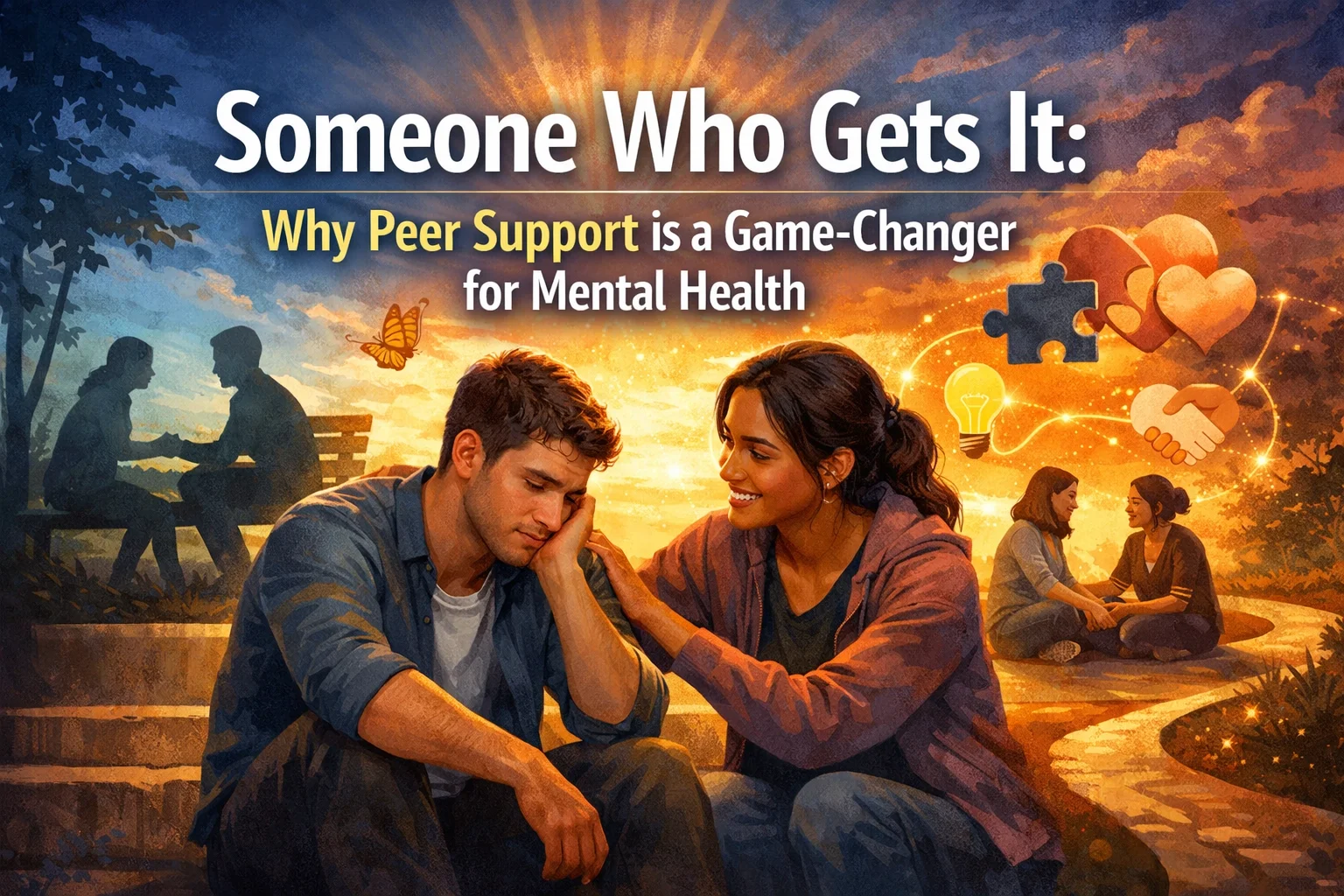
When you are going through a tough time with your mental health, it can feel like you are on a deserted island. You might have a great therapist, a supportive doctor, and family members who love you, but there is still that nagging feeling that nobody truly understands what it’s like to live inside your head.
You might hear things like, "Just try to stay positive," or "Have you tried going for a walk?" While well-intentioned, those comments can sometimes make you feel even more alone.
That is where peer support comes in.
At In Your Corner Behavioral Health and Wellness, we believe that professional clinical care is vital, but there is a special kind of magic that happens when you talk to someone who has been exactly where you are. Today, we’re diving into why peer support services are a total game-changer for mental health recovery and why having "someone who gets it" might be the missing piece in your wellness puzzle.
What Exactly is Peer Support?
Before we get into the "why," let’s talk about the "what."
Peer support isn’t just a casual chat over coffee (though it can feel that comfortable). It is a structured way for people who have lived experience with mental health diagnoses or substance use challenges to support others on a similar journey.
Think of it this way: a therapist is like a mountain guide who has studied the map, knows the gear, and understands the physics of the climb. A peer supporter is someone who has actually climbed that same mountain, slipped on the same rocks, felt the same cold wind, and made it to the other side.
Both are incredibly valuable, but they offer different things. Peer support services provide a level of empathy and practical "street smarts" for recovery that you just can't get from a textbook.

The Power of the "Me Too" Moment
There is a profound shift that happens in your brain when you share a dark thought or a difficult struggle, and the person sitting across from you doesn't look shocked or pitying. Instead, they nod and say, "Yeah, I’ve been there. I know exactly how that feels."
This is the "shared experience" factor. For many people dealing with various mental health diagnoses, the biggest hurdle isn't the symptoms themselves, it’s the isolation and the shame that come with them.
When you engage with peer support, that shame starts to melt away. You realize:
You aren't "crazy."
You aren't the only one who feels this way.
Other people have felt this low and still managed to build a life they love.
This validation acts as a bridge. It moves you from a place of "What is wrong with me?" to "Okay, this is a challenge I’m facing, and others are facing it too."
Why Peer Support Services Work (The Science Bit)
It’s not just about feeling good in the moment; peer support has some serious data backing it up. Research consistently shows that when people incorporate peer support into their recovery plan, they see measurable improvements in their overall well-being.
Here are a few ways it helps:
1. Reduced Hospitalization
Studies show that people who use peer support services are often able to stay out of the hospital more effectively. Because peer supporters can spot the early warning signs of a crisis (since they’ve lived it), they can help you navigate those bumps in the road before they become mountains.
2. Better Engagement with Treatment
Sometimes, clinical settings can feel intimidating. A peer supporter can help bridge the gap between you and your doctor or therapist. They can help you figure out what questions to ask, how to advocate for yourself, and how to stay motivated when treatment feels slow.
3. Increased Self-Esteem
When you see someone else who has a similar diagnosis living a full, productive life, it changes your internal narrative. It gives you permission to hope. Peer support fosters empowerment, helping you move from a "patient" mindset to a "person in recovery" mindset.

Breaking Down the Stigma of Mental Health Diagnoses
We live in a world that is getting better at talking about mental health, but let’s be real: stigma still exists. Many people feel like their mental health diagnoses define them or limit what they can achieve.
Peer support flips that script. In a peer group or a one-on-one peer session, your diagnosis isn't a secret or a label to be ashamed of: it’s simply a part of your story.
By talking openly about things like depression, anxiety, PTSD, or bipolar disorder with people who share those experiences, you take the power back. You realize that a diagnosis is just a tool for understanding what you need to stay healthy; it’s not a life sentence.
Practical Skills for Real Life
One of the coolest things about peer support is how practical it is. While a therapist might help you process deep-seated trauma (which is very important!), a peer supporter might help you with the "nitty-gritty" of daily life.
They can offer tips on:
How to handle a panic attack at the grocery store.
How to talk to your boss about needing a mental health day.
Ways to explain your diagnosis to your kids or your partner.
How to stick to a routine when you have zero energy.
These are the "life hacks" of mental health recovery. They are the small, daily wins that eventually add up to big changes.

It’s a Two-Way Street
One of the most beautiful aspects of peer support is that it benefits everyone involved.
If you are receiving support, you get the guidance and empathy you need. But for the person providing the support, it is equally healing. It turns their past pain into a purpose. It allows them to use their most difficult chapters to help someone else write a better ending.
This creates a community of "mutual aid," where everyone is seen as an expert in their own life. It removes the "expert vs. patient" hierarchy and replaces it with human-to-human connection.
Is Peer Support Right for You?
You might be wondering if peer support is a good fit for your current situation. The truth is, almost anyone can benefit from it.
You might benefit from peer support if:
You feel lonely or misunderstood in your journey.
You’ve just received a new diagnosis and feel overwhelmed.
You are looking for practical ways to manage your daily symptoms.
You want to hear from people who have successfully navigated the mental health system.
You’re feeling "stuck" in your recovery and need a fresh perspective.
At In Your Corner Behavioral Health and Wellness, we see peer support as a vital pillar of health care. It’s not an "extra": it’s an essential part of a holistic approach to wellness.
How to Get Started
If you’re ready to connect with someone who truly "gets it," we are here for you. Whether you are looking for peer support services to complement your therapy or you just want to learn more about how shared experience can help you heal, we want to help you find your community.
Mental health recovery doesn't have to be a solo mission. You don't have to figure it all out by yourself. There are people who have walked the path you are on right now, and they are ready to reach back and help you along.