Understanding PTSD: Why It's Not Just for Veterans (and How to Heal)
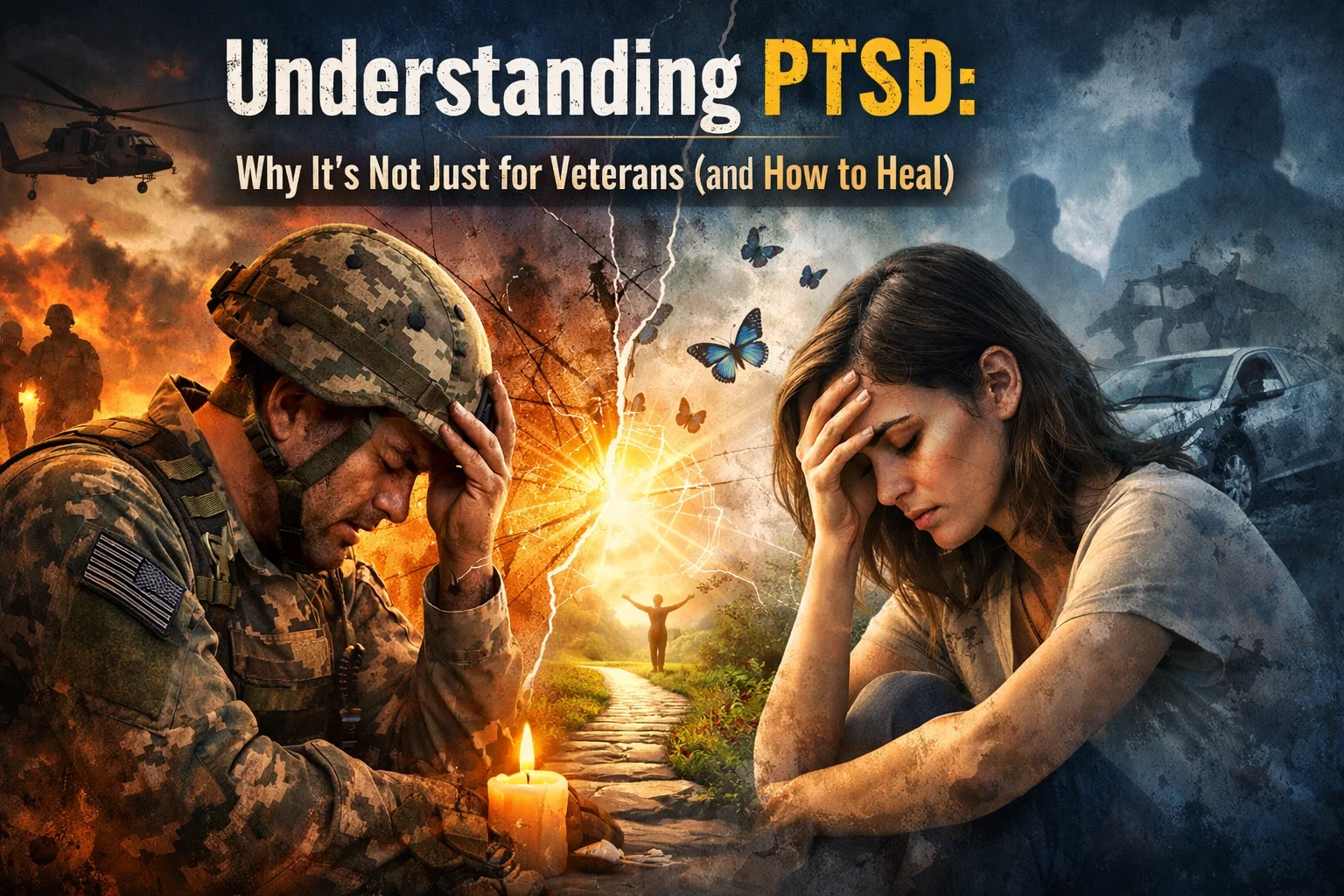
When most people hear "PTSD," they immediately think of soldiers returning from war. And yes, that's absolutely a reality for many veterans. But here's what a lot of folks don't realize: PTSD doesn't check your resume before it shows up.
You don't need to have served in the military to develop post-traumatic stress disorder. A car accident, a toxic relationship, losing someone you love, surviving an assault, living through a natural disaster, or even witnessing something terrible happen to someone else, all of these can leave lasting marks on your mental health.
If you've been through something scary or overwhelming and you're still feeling the effects months (or even years) later, you're not "overreacting." You're experiencing a very real response to trauma. And more importantly, you deserve support.
PTSD Can Happen to Anyone
Let's get one thing straight: trauma doesn't discriminate. It can affect anyone, regardless of age, gender, background, or life experience.
Sure, we often hear about PTSD in the context of combat, but the reality is that any event that severely threatens your safety or sense of security can trigger it. That includes:
Serious accidents (car crashes, workplace injuries)
Physical or sexual assault
Childhood abuse or neglect
Domestic violence or toxic relationships
Medical emergencies or complicated childbirth
Losing someone close to you suddenly
Natural disasters (floods, fires, earthquakes)
Witnessing violence or traumatic events
Even learning that someone you love experienced trauma
The key factor isn't what happened, it's how your brain and body responded to feeling unsafe, threatened, or out of control.
What PTSD Actually Looks Like
So how do you know if what you're dealing with is PTSD versus just "normal" stress or grief? Here are some of the most common signs:
You Keep Reliving It
This is one of the hallmark symptoms. Your brain keeps replaying the traumatic event like a movie you can't turn off. This might show up as:
Nightmares that feel incredibly real
Flashbacks where you momentarily feel like you're back in that moment
Intrusive thoughts that pop up out of nowhere
Physical reactions (racing heart, sweating, panic) when something reminds you of the trauma
You're Always on Edge
Your nervous system is stuck in "danger mode," even when you're safe. You might notice:
Feeling jumpy or easily startled
Trouble sleeping or staying asleep
Irritability or angry outbursts that feel out of character
Difficulty concentrating
Constantly scanning your surroundings for threats (hypervigilance)
You're Avoiding Reminders
It makes sense, if something reminds you of the trauma, you want to stay far away from it. This can look like:
Avoiding certain places, people, or situations
Refusing to talk or think about what happened
Pushing away memories related to the event
Isolating yourself from friends and family
You Feel Stuck or Numb
A lot of people with PTSD describe feeling disconnected from themselves and others. You might experience:
Feeling emotionally flat or numb
Losing interest in things you used to enjoy
Negative thoughts about yourself ("I'm broken," "It's my fault")
Trouble feeling positive emotions like joy or love
A sense that your future is limited or hopeless
If these symptoms have lasted for more than a month and they're affecting your daily life, your relationships, work, sleep, or overall wellbeing, it's worth talking to someone who specializes in trauma therapy.
Why Your Brain Gets "Stuck"
Here's a little brain science that might help this all make sense.
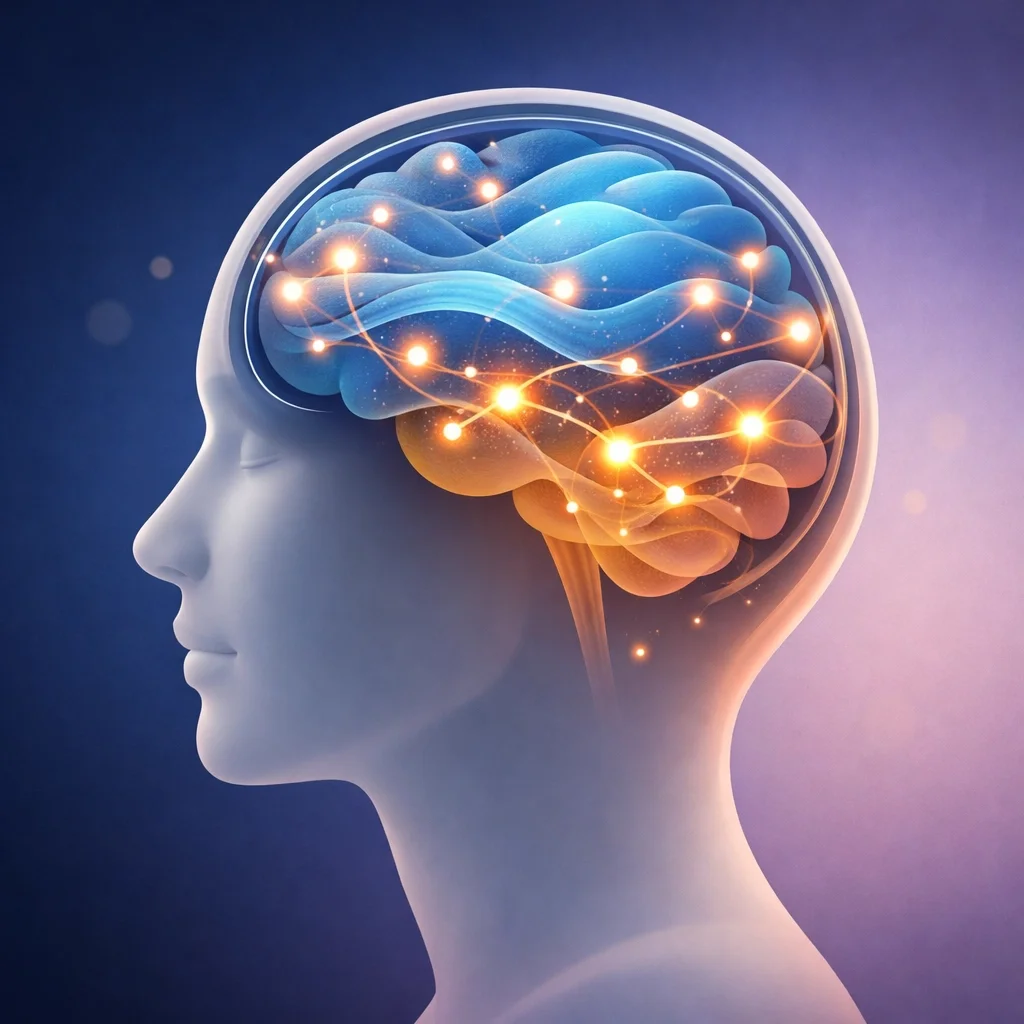
When you go through a traumatic event, your brain goes into survival mode. Your body floods with stress hormones like adrenaline and cortisol, the chemicals that help you fight, flee, or freeze in dangerous situations. That's a good thing in the moment. It keeps you alive.
But with PTSD, your brain doesn't get the memo that the danger has passed. It keeps producing those "fight or flight" chemicals even when you're safe. That's why you might feel constantly on edge or have physical reactions to reminders of the trauma.
There's also a part of your brain called the hippocampus, which is responsible for processing memories and emotions. Research shows that in people with PTSD, the hippocampus may function differently. This can make it harder for your brain to properly "file away" traumatic memories. Instead of becoming a memory that happened in the past, the trauma feels like it's still happening now, which is why flashbacks and nightmares can feel so real and intense.
The good news? Your brain is capable of healing. With the right support, you can help your nervous system learn that you're safe, and those traumatic memories can be processed in a way that reduces their power over you.
You Don't Have to Carry This Alone
If you're reading this and recognizing yourself in these symptoms, please hear this: what you're feeling is valid, and healing is possible.
PTSD isn't something you can just "get over" or "move past" on your own: and you shouldn't have to. Trauma-informed therapy gives you a safe space to talk about what happened, process those stuck memories, and develop tools to manage the symptoms that are interfering with your life.

How In Your Corner Can Help
At In Your Corner Behavioral Health and Wellness, we understand that trauma looks different for everyone. That's why we offer trauma-informed care tailored to your unique experience.
Whether you're dealing with recent trauma or something that happened years ago, we're here to walk alongside you. Our therapists are trained in evidence-based approaches that help your brain and body feel safe again. We create a space where you can go at your own pace: no pressure, no judgment, just support.
And because we know life is busy (and sometimes leaving the house feels impossible), we offer telehealth therapy so you can get the care you need from the comfort of your own home.
You don't have to be a veteran to deserve help. You don't have to have it "worse than someone else" to reach out. If trauma is affecting your life, that's reason enough.
Take the First Step
Healing from trauma isn't about forgetting what happened: it's about learning to carry it in a way that doesn't weigh you down every single day. It's about reclaiming your sense of safety, rediscovering joy, and feeling like yourself again.
If you're searching for "trauma therapy near me" or "PTSD therapy" and you're in Arizona, we'd love to connect with you. We're here to be in your corner, literally.
Ready to talk? Visit In Your Corner Behavioral Health and Wellness or reach out today. Your story matters, and you deserve a safe space to share it.